Irish Pub NYC Escapes From the Busy City Pace
New York rewards speed, but it rarely encourages stillness. The city runs on compressed schedules, packed sidewalks, and the sort of background noise that settles into your body before you notice it. For a lot of people, relief does not come from leaving Manhattan for a weekend in the Hudson Valley or booking a spa day weeks in advance. Sometimes it comes from something much simpler, much older, and much closer at hand: a good Irish pub.
That phrase gets flattened too often. People hear "Irish Pub NYC" and picture a generic bar with dark wood, Guinness signs, and a crowded Friday happy hour. Some places fit that description. The better ones offer something more meaningful. They create a pocket of calm in a city that rarely pauses. They are social without being performative, welcoming without trying too hard, and familiar in a way that helps people unclench after a long day.
The appeal is not only about beer, though a well-poured pint certainly matters. It is also about proportion, lighting, sound, pacing, and the way the room allows you to be in public without feeling on display. In a city full of restaurants engineered for turnover and bars built for volume, a strong Irish pub gives people room to linger. That difference is small on paper and enormous in practice.
Why these spaces matter in New York
Anyone who has spent serious time in New York knows the city can wear down even people who love it. Commutes stretch. Phones buzz. Rent pressures shape every decision. Even leisure can start to feel optimized, as though a night out needs to justify itself with a reservation, a rooftop view, or a viral dish. A dependable pub cuts against that pressure.
An Irish pub works best when it lowers the stakes. You can step in alone without feeling awkward. You can meet a colleague for one drink that turns into dinner, or sit with a book for forty minutes before a friend arrives. You can celebrate, recover, or simply disappear into a corner booth and let the room carry some of the weight. Very few New York spaces manage that range.
There is also a practical reason these places endure. The city has plenty of bars that look great in photographs and feel exhausting in person. By contrast, the classic pub format was never designed around spectacle. It was built around comfort and repetition. Doors open, regulars return, bartenders remember orders, and the room develops a rhythm that regular life can settle into. In a city where almost everything changes fast, that kind of continuity has real value.
The difference between a bar and a refuge
Not every bar with Irish branding functions as an escape. Some are too loud, too cramped, or too aggressively themed to offer much peace. A real refuge has a different atmosphere, and most of the signs are easy to feel even if they are hard to quantify.
The first sign is acoustic balance. Good pubs allow conversation. Music may be present, a match may be on, and glasses may be clinking, but the room does not force everyone to shout. You can hear the person across from you. That matters more than most operators realize. Once a room crosses a certain noise threshold, the body stays tense. It may still be fun, but it stops being restorative.
The second sign is visual warmth. Dark timber, brass, old mirrors, and worn-in finishes are common cliches for a reason. They soften a room. The better pubs use those elements without turning the place into a stage set. If everything looks brand new but designed to seem old, guests can sense it. The strongest rooms feel lived in, not manufactured.
Then there is pacing. Some bars move customers through the night like an airport gate. A proper pub gives service without rushing. Bartenders are present, efficient, and often quick with a line or a small act of recognition. You are not hovering, hustled, or treated like a transaction. In New York, where time pressure is constant, that change in tempo can feel almost luxurious.
What an Irish pub in NYC gets right when the city feels like too much
The best Irish pubs in New York understand a basic human truth: people do not always want novelty. Often they want reliability delivered with some grace. That might mean a steady pint, a shepherd's pie that tastes the same every time, a stool at the bar that feels claimed but not reserved, or a room where solo customers never look out of place.
That last point matters. One overlooked strength of the pub tradition is that it accommodates different kinds of company. Date-night restaurants tend to spotlight couples. High-energy cocktail bars can punish anyone arriving alone. A pub is one of the few urban spaces where solitary presence still feels normal. You can be there to watch a match, answer emails, read a few pages, or simply sit with your thoughts. Nobody asks you to justify your presence.
This is part of why the Irish Pub NYC category has such staying power. New Yorkers need places that can absorb the unevenness of their days. A pub can host office workers at six, neighborhood regulars at seven-thirty, tourists looking for shelter at eight, and industry people after their shifts. The room reshapes itself without losing character. That flexibility is not accidental. It comes from a hospitality model built around the idea that a public house should actually function as a house, at least in spirit.
The role of staff, and why regulars come back
Design gets attention, but staff create the real atmosphere. In most memorable pubs, the service style lands somewhere between sharp professionalism and easy familiarity. The bartenders know how to move quickly, but they also know how to read a guest. Some people want banter. Some want quiet. Some want advice on whiskey. Some just want their first pint to appear promptly after a hard day.
A skilled pub bartender can often spot the tone of a table in seconds. They know when to keep it light, when to leave space, and when to make a newcomer feel less like a newcomer. Those are not flashy skills. They are trade skills, earned through repetition and observation. In New York, where hospitality labor is often undervalued by people who benefit from it daily, that kind of competence deserves more credit.
Regulars respond to that recognition. They come back for the room, but also for the ease of being known in small ways. Maybe the bartender remembers they switch from beer to tea if they are staying late. Maybe the server knows they split the fish and chips. Maybe no one says anything at all, but the welcome is clean and unforced. In a city of eight million people, minor familiarity can be deeply stabilizing.
Food matters more than people admit
People often talk about pubs as drinking spaces first, but food is a major part of what makes them restorative. A bar that serves only as a place to drink can be energizing, but not always grounding. A pub with a serious kitchen extends the visit. It invites people to settle in, reset, and treat the place as more than a stopover.
No one needs a 20-item manifesto on elevated pub fare. In fact, overcomplication usually misses the point. The best pub menus understand comfort and restraint. A well-executed stew, a proper chicken pot pie, bangers and mash, brown bread with butter, or a plate of fish and chips can do more for a person's mood than another round of trendy small plates. The ideal pub dish is not showy. It is hot, generous, seasoned correctly, and timed so it arrives before the second drink has gone too far.
There is also a financial angle. New York dining can get expensive quickly, and many people do not want every casual meal to become a production. A pub that offers reliable, satisfying food at a sane price point becomes useful in the most practical sense. Useful places tend to survive. They become woven into actual routines instead of being visited only for birthdays or special occasions.
Neighborhoods shape the pub experience
An Irish pub behaves differently depending on where in New York it sits. In the Financial District, it may catch office workers shaking off the intensity of market hours and tourists looking for someplace recognizably comfortable. In Midtown, it can serve as neutral ground, a meeting point halfway between offices, trains, and hotel rooms. On the Upper East Side or in parts of Brooklyn, the pub often leans more neighborhood-driven, with a slower cadence and a stronger regular base.
That neighborhood context matters because the city's pace is not the same everywhere. The sort of escape someone seeks near Penn Station is different from the calm they want in the West Village or Park Slope. Around transit hubs, a pub might provide immediate decompression, one hour of shelter before the next obligation. In residential pockets, it may function more like an extension of local life, the place where people mark birthdays, watch matches, or have low-stakes dinners midweek.
This is one reason it is hard to name a single "best" Irish Pub NYC destination without asking follow-up questions. Best for what hour, what mood, what company, what budget, what neighborhood? A pub that feels perfect at 4:30 p.m. On a rainy Tuesday may be less appealing at 10:00 p.m. On a packed Saturday. Good judgment matters. So does timing.
The small details that separate memorable pubs from forgettable ones
Some details are easy to overlook until you spend enough years eating and drinking out in New York. After a while, patterns emerge. The places people keep returning to tend to get the same small things right.
- Comfortable seating that supports a long stay, not just a quick drink
- Lighting warm enough to relax the room without making menus unreadable
- Clean taps, fresh glassware, and consistency in every pour
- A menu with depth but not bloat
- Staff who can be attentive without hovering
None of these elements is glamorous. Together, they shape whether a pub feels restorative or merely functional. A sticky table, a deafening playlist, or a menu that tries to be everything to everyone can erode the mood quickly. On the other hand, one excellent corner booth, one bartender who knows how to pace a round, and one dependable plate of food can build loyalty that lasts for years.
Why the Irish pub format travels so well in New York
New York is full of imported concepts that lose their shape once they hit local real estate and market demands. The Irish pub is more resilient because its core purpose translates well. It is not dependent on preciousness. It does not need a giant footprint or high-concept service. It can adapt to narrow rooms, basement spaces, landmark buildings, or modern retail corners, as long as the operator understands the emotional function of the place.
That function is simple to describe and hard to execute. People want somewhere they can exhale. The city supplies stimulation in excess. What many residents need, especially after years here, is not more stimulation but better shelter from it. Pubs provide that shelter through routine, modest ceremony, and a sense of public ease that has become surprisingly rare.
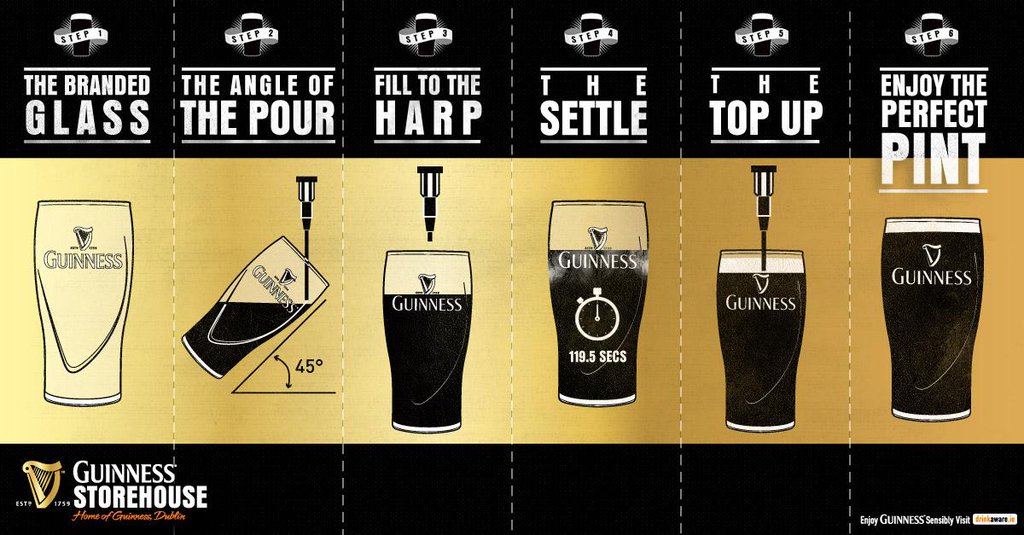
The pint ritual is part of this. There is something quietly regulating about watching a drink poured properly, set down without fuss, and enjoyed at a human pace. It is a small act, but New York life is shaped by small acts repeated often. Habits determine whether a week feels manageable or chaotic. For some people, one pub visit can reset the tone of an evening. For others, the weekly stop becomes part of how they remain sane in the city.
When to choose a pub over trendier options
There are nights when only a lively wine bar or a high-energy cocktail room will do. There are also nights when those environments ask too much. If conversation is the point, if the day has already been loud, or if the group includes people of different ages and temperaments, the pub usually wins.
That is especially true for gatherings that need flexibility. Pubs handle staggered arrivals well. They accommodate the person who wants a full meal and the one who only wants soup. They make room for sports fans without excluding everyone https://penzu.com/p/872047ecd6777f5b else. They are forgiving to casual plans, which is useful in a city where trains run late, work bleeds into evening hours, and half the group may still be five blocks away at the scheduled meeting time.
A few situations especially suit the pub format:
- The midweek catch-up when nobody wants a two-hour dinner commitment
- The solo stop after work when home feels too abrupt and another crowded bar sounds exhausting
- The family visit where grandparents, siblings, and teenagers all need to be comfortable
- The rainy afternoon with nowhere urgent to be
- The holiday season, when the city gets festive but also frayed
These are not glamorous scenarios, but they make up real life. The best hospitality businesses understand real life better than they understand hype.
The trade-offs, because no space solves everything
It would be dishonest to pretend every Irish pub offers pure tranquility. Popular ones can get crowded, especially around major sporting events, St. Patrick's season, and prime after-work hours. A place that feels serene at 5:00 p.m. May become shoulder-to-shoulder by 7:30. Some guests love that shift. Others do not. Knowing when to go is part of the skill.
There is also the matter of authenticity, a word people toss around too casually. Some pubs trade heavily on Irish identity while offering a fairly generic experience. Others are less performative and more grounded in everyday hospitality. For guests, the goal does not need to be anthropological purity. It is enough to ask whether the place feels sincere, competent, and worth returning to. New York has room for polished institutions, old neighborhood haunts, and modern interpretations, but sincerity still tends to separate the durable from the disposable.
Price can vary too. Not every pub is affordable in the old-fashioned sense, especially in high-rent neighborhoods. Yet even pricier pubs can deliver value if they provide comfort, consistency, and a reason to stay for hours. Cost is never only about the menu line. It is also about whether the room gives something back.
What people are really seeking when they walk through the door
After enough nights spent in New York restaurants and bars, a pattern becomes obvious. Most guests are not chasing perfection. They are chasing relief. They want the edge taken off the day. They want somewhere warm when the sidewalks are unforgiving, somewhere dim when the office was too bright, somewhere social when the apartment feels small, and somewhere forgiving when their plans are loose.
That is why the pub remains relevant, even in a city obsessed with novelty. It solves old problems. Hunger. Fatigue. Loneliness. The need for company without demand. The need for a room that asks almost nothing of you besides your presence. Those needs do not disappear because a new cocktail menu launches or a new dining trend takes over downtown.
A good Irish pub also gives New Yorkers something the city does not hand out freely: permission to slow down without leaving the city behind. You are still in the middle of it all. The sirens are still outside. The rent is still due. The inbox will still be full tomorrow. But for an hour or two, the pace shifts. The body follows.
The lasting appeal of the Irish Pub NYC experience
There is a reason people recommend their favorite pub with unusual loyalty. These places become stitched into the map of a person's life in New York. First dates happen there. Job offers are celebrated there. Friendships survive because people keep meeting there, one unremarkable Tuesday after another. Visitors are brought in from the cold. Regulars age in place. Bartenders move on, come back, and are remembered.
That endurance cannot be reduced to decor or menu engineering. It comes from a form of hospitality that treats comfort as serious business. For city dwellers, especially those who spend most of the week operating at high speed, that comfort is not indulgent. It is practical. It helps people recover enough to do it all again.
So when people search for an Irish Pub NYC hideaway, what they are often really seeking is not novelty or nightlife. They are looking for a room that knows how to absorb the city's intensity and return something steadier in exchange. A decent drink helps. Good food helps. Warm wood, soft light, and practiced service help. But the deepest appeal is harder to label.
It is the feeling that for a little while, in one corner of New York, time is moving at a more reasonable pace.
Hibernia Bar
401 W 50th St
New York, NY 10019, United States
Phone: +1 212-969-9703
FAQ About Irish Pub NYC
What is the best Irish pub in NYC?
The best choice depends on your location and preferred atmosphere. Hibernia Bar is a neighborhood Irish pub in Hell's Kitchen offering Guinness, Irish whiskey, pub food, and sports viewing.
Where do Irish people go in NYC?
New York's Irish community gathers in many neighborhoods and venues. Hibernia Bar welcomes Irish expats, local residents, and visitors at 401 W 50th St, just off Ninth Avenue.
Where can I watch GAA games in New York?
Hibernia Bar lists GAA among the sports it shows. Call +1 212-969-9703 to confirm coverage and opening times for a particular match before visiting.
What is the difference between a bar and a sports bar?
A sports bar emphasizes televised games and a shared viewing atmosphere. Hibernia combines sports viewing with the food, drinks, and hospitality of a neighborhood Irish pub.